AGAMREE® helped improve how muscles work and move in boys with Duchenne
How AGAMREE was studied
In a clinical study lasting up to 48 weeks, boys treated with AGAMREE showed improvements in muscle function during the first 24 weeks compared with placebo. The study had 2 back-to-back periods: an initial 24-week period with 121 boys, followed by a second 24-week period that included 114 boys from the first period. During the second 24-week period, improvements in muscle function with AGAMREE 6 mg/kg once daily were maintained through 48 weeks of treatment. The study was not designed to compare treatments beyond 24 weeks.
The first period of the clinical study was 24 weeks
The first period of the clinical study was 24 weeks
The clinical study continued for an additional 24 weeks
The clinical study continued for an additional 24 weeks
The first period of the clinical study was 24 weeks
The first period of the clinical study was 24 weeks
The clinical study continued for an additional 24 weeks
The clinical study continued for an additional 24 weeks
The study included 121 boys from around the world—
all between 4 and 7 years of age
The study included 121 boys from around the world—
all between 4 and 7 years of age
The second period of the study included 114 boys from the first period
The second period of the study included 114 boys from the first period
The study included 121 boys from around the world—
all between 4 and 7 years of age
The study included 121 boys from around the world—
all between 4 and 7 years of age
The second period of the study included 114 boys from the first period
The second period of the study included 114 boys from the first period
Boys received 1 of 4 treatments daily:
- AGAMREE 6 mg/kg
- AGAMREE 2 mg/kg
- Prednisone 0.75 mg/kg
- Placebo
Boys received 1 of 4 treatments daily:
- AGAMREE 6 mg/kg
- AGAMREE 2 mg/kg
- Prednisone 0.75 mg/kg
- Placebo
- Boys taking AGAMREE stayed on their same dose
- Boys taking prednisone or placebo switched to AGAMREE, with each group split evenly between 6 mg/kg daily and 2 mg/kg daily
- Boys taking AGAMREE stayed on their same dose
- Boys taking prednisone or placebo switched to AGAMREE, with each group split evenly between 6 mg/kg daily and 2 mg/kg daily
Boys received 1 of 4 treatments daily:
- AGAMREE 6 mg/kg
- AGAMREE 2 mg/kg
- Prednisone 0.75 mg/kg
- Placebo
Boys received 1 of 4 treatments daily:
- AGAMREE 6 mg/kg
- AGAMREE 2 mg/kg
- Prednisone 0.75 mg/kg
- Placebo
- Boys taking AGAMREE stayed on their same dose
- Boys taking prednisone or placebo switched to AGAMREE, with each group split evenly between 6 mg/kg daily and 2 mg/kg daily
- Boys taking AGAMREE stayed on their same dose
- Boys taking prednisone or placebo switched to AGAMREE, with each group split evenly between 6 mg/kg daily and 2 mg/kg daily
The main measures were safety and effectiveness.
The main measure for effectiveness was:
- How fast boys could stand up from lying on their back, measured by how many rises (completed stands) they could complete per second
The main measures were safety and effectiveness.
The main measure for effectiveness was:
- How fast boys could stand up from lying on their back, measured by how many rises (completed stands) they could complete per second
The main measures were:
- The safety and effectiveness of AGAMREE treatment over 48 weeks
The main measures were:
- The safety and effectiveness of AGAMREE treatment over 48 weeks
The main measures were safety and effectiveness.
The main measure for effectiveness was:
- How fast boys could stand up from lying on their back, measured by how many rises (completed stands) they could complete per second
The main measures were safety and effectiveness.
The main measure for effectiveness was:
- How fast boys could stand up from lying on their back, measured by how many rises (completed stands) they could complete per second
The main measures were:
- The safety and effectiveness of AGAMREE treatment over 48 weeks
The main measures were:
- The safety and effectiveness of AGAMREE treatment over 48 weeks
The first period of the clinical study was 24 weeks
The first period of the clinical study was 24 weeks
The clinical study continued for an additional 24 weeks
The clinical study continued for an additional 24 weeks
The first period of the clinical study was 24 weeks
The first period of the clinical study was 24 weeks
The clinical study continued for an additional 24 weeks
The clinical study continued for an additional 24 weeks
The study included 121 boys from around the world—
all between 4 and 7 years of age
The study included 121 boys from around the world—
all between 4 and 7 years of age
The second period of the study included 114 boys from the first period
The second period of the study included 114 boys from the first period
The study included 121 boys from around the world—
all between 4 and 7 years of age
The study included 121 boys from around the world—
all between 4 and 7 years of age
The second period of the study included 114 boys from the first period
The second period of the study included 114 boys from the first period
Boys received 1 of 4 treatments daily:
- AGAMREE 6 mg/kg
- AGAMREE 2 mg/kg
- Prednisone 0.75 mg/kg
- Placebo
Boys received 1 of 4 treatments daily:
- AGAMREE 6 mg/kg
- AGAMREE 2 mg/kg
- Prednisone 0.75 mg/kg
- Placebo
- Boys taking AGAMREE stayed on their same dose
- Boys taking prednisone or placebo switched to AGAMREE, with each group split evenly between 6 mg/kg daily and 2 mg/kg daily
- Boys taking AGAMREE stayed on their same dose
- Boys taking prednisone or placebo switched to AGAMREE, with each group split evenly between 6 mg/kg daily and 2 mg/kg daily
Boys received 1 of 4 treatments daily:
- AGAMREE 6 mg/kg
- AGAMREE 2 mg/kg
- Prednisone 0.75 mg/kg
- Placebo
Boys received 1 of 4 treatments daily:
- AGAMREE 6 mg/kg
- AGAMREE 2 mg/kg
- Prednisone 0.75 mg/kg
- Placebo
- Boys taking AGAMREE stayed on their same dose
- Boys taking prednisone or placebo switched to AGAMREE, with each group split evenly between 6 mg/kg daily and 2 mg/kg daily
- Boys taking AGAMREE stayed on their same dose
- Boys taking prednisone or placebo switched to AGAMREE, with each group split evenly between 6 mg/kg daily and 2 mg/kg daily
The main measures were safety and effectiveness.
The main measure for effectiveness was:
- How fast boys could stand up from lying on their back, measured by how many rises (completed stands) they could complete per second
The main measures were safety and effectiveness.
The main measure for effectiveness was:
- How fast boys could stand up from lying on their back, measured by how many rises (completed stands) they could complete per second
The main measures were:
- The safety and effectiveness of AGAMREE treatment over 48 weeks
The main measures were:
- The safety and effectiveness of AGAMREE treatment over 48 weeks
The main measures were safety and effectiveness.
The main measure for effectiveness was:
- How fast boys could stand up from lying on their back, measured by how many rises (completed stands) they could complete per second
The main measures were safety and effectiveness.
The main measure for effectiveness was:
- How fast boys could stand up from lying on their back, measured by how many rises (completed stands) they could complete per second
The main measures were:
- The safety and effectiveness of AGAMREE treatment over 48 weeks
The main measures were:
- The safety and effectiveness of AGAMREE treatment over 48 weeks
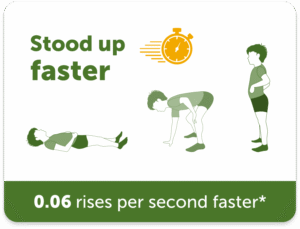
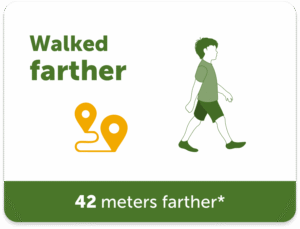
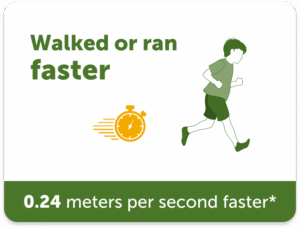
At 24 weeks, boys taking AGAMREE 6 mg/kg daily:
Time to Stand Velocity
How fast boys could stand up from lying on their back, measured by how many rises (completed stands) they could complete per second
6-Minute Walk Test
Distance boys could walk in 6 minutes
Time to Run/Walk 10 Meters Velocity
How fast boys could run or walk 10 meters, measured by how many meters they could travel per second
*Compared with placebo.
“Starting Eli on AGAMREE when he was 3 was the best choice we could have made for him. His muscle is precious, and time is muscle.”
– Ashlyn, mother of Eli
Hear from more caregivers
Based on personal experience; your or your child’s experience may be different.
See the AGAMREE safety results
Expand
Collapse
What is AGAMREE?
AGAMREE is a prescription medicine used to treat Duchenne muscular dystrophy (DMD) in patients 2 years of age and older.
IMPORTANT SAFETY INFORMATION
Patients should not take AGAMREE if they are allergic to vamorolone or any of the inactive ingredients in AGAMREE.
What is the most important information I should know about AGAMREE?
- Do not stop AGAMREE, or change the amount taken, without first checking with your healthcare provider. There may be a need for gradual dose reductions to decrease the risk of adrenal insufficiency crisis, which can be fatal.
- There is an increased risk of infection when taking corticosteroids like AGAMREE. Tell your healthcare provider if the patient has had recent or ongoing infections or has recently received a vaccine. Seek immediate medical advice in the case of fever or other signs of infection. Some infections can be severe, and sometimes fatal. Patients should avoid exposure to chickenpox or measles; alert your healthcare provider immediately if exposure occurs.
- Corticosteroids, including AGAMREE, can cause an increase in blood pressure and water retention. Your healthcare provider may monitor for these increases during treatment.
- There is an increased risk of developing a hole in the stomach or intestines in patients with certain gastrointestinal disorders when taking corticosteroids like AGAMREE.
- Corticosteroids, including AGAMREE, can cause severe behavioral and mood changes. Seek medical attention if behavioral or mood changes develop.
- There is a risk of osteoporosis with prolonged use of corticosteroids like AGAMREE, which can lead to vertebral and long bone fractures.
- Corticosteroids like AGAMREE may cause cataracts or glaucoma. Your healthcare provider should monitor for these conditions if AGAMREE treatment continues for more than 6 weeks.
- Immunizations should be up to date according to immunization guidelines prior to starting therapy with AGAMREE. Live-attenuated or live vaccines should be administered at least 4 to 6 weeks prior to starting AGAMREE. Live-attenuated or live vaccines should not be administered in patients taking AGAMREE.
- Rare instances of severe allergic reaction have occurred in patients receiving corticosteroid therapy.
Before taking AGAMREE, tell your healthcare provider about all medical conditions, including if the patient:
- has decreased liver function.
- is pregnant or planning to become pregnant. AGAMREE can harm an unborn baby.
- is breastfeeding or planning to breastfeed. AGAMREE may appear in breastmilk and could affect a nursing child.
Certain medications can cause an interaction with AGAMREE. Tell your healthcare provider about all the medicines the patient takes, including prescription and over-the-counter medicines, dietary supplements, and herbal products.
What are the possible side effects of AGAMREE?
The most common side effects with AGAMREE include facial puffiness (cushingoid features), psychiatric disorders, vomiting, weight gain, and vitamin D deficiency. These are not all the possible side effects of AGAMREE.
Call your doctor for medical advice about side effects.
Please see full Prescribing Information for additional Important Safety Information.
To report SUSPECTED ADVERSE REACTIONS, contact Catalyst Pharmaceuticals, Inc. at 1-844-347-3277 or FDA at 1-800-FDA-1088 or www.fda.gov/medwatch.
What is AGAMREE?
AGAMREE is a prescription medicine used to treat Duchenne muscular dystrophy (DMD) in patients 2 years of age and older.
IMPORTANT SAFETY INFORMATION
Patients should not take AGAMREE if they are allergic to vamorolone or any of the inactive ingredients in AGAMREE.
What is the most important information I should know about AGAMREE?
- Do not stop AGAMREE, or change the amount taken, without first checking with your healthcare provider. There may be a need for gradual dose reductions to decrease the risk of adrenal insufficiency crisis, which can be fatal.
- There is an increased risk of infection when taking corticosteroids like AGAMREE. Tell your healthcare provider if the patient has had recent or ongoing infections or has recently received a vaccine. Seek immediate medical advice in the case of fever or other signs of infection. Some infections can be severe, and sometimes fatal. Patients should avoid exposure to chickenpox or measles; alert your healthcare provider immediately if exposure occurs.
- Corticosteroids, including AGAMREE, can cause an increase in blood pressure and water retention. Your healthcare provider may monitor for these increases during treatment.
- There is an increased risk of developing a hole in the stomach or intestines in patients with certain gastrointestinal disorders when taking corticosteroids like AGAMREE.
- Corticosteroids, including AGAMREE, can cause severe behavioral and mood changes. Seek medical attention if behavioral or mood changes develop.
- There is a risk of osteoporosis with prolonged use of corticosteroids like AGAMREE, which can lead to vertebral and long bone fractures.
- Corticosteroids like AGAMREE may cause cataracts or glaucoma. Your healthcare provider should monitor for these conditions if AGAMREE treatment continues for more than 6 weeks.
- Immunizations should be up to date according to immunization guidelines prior to starting therapy with AGAMREE. Live-attenuated or live vaccines should be administered at least 4 to 6 weeks prior to starting AGAMREE. Live-attenuated or live vaccines should not be administered in patients taking AGAMREE.
- Rare instances of severe allergic reaction have occurred in patients receiving corticosteroid therapy.
Before taking AGAMREE, tell your healthcare provider about all medical conditions, including if the patient:
- has decreased liver function.
- is pregnant or planning to become pregnant. AGAMREE can harm an unborn baby.
- is breastfeeding or planning to breastfeed. AGAMREE may appear in breastmilk and could affect a nursing child.
Certain medications can cause an interaction with AGAMREE. Tell your healthcare provider about all the medicines the patient takes, including prescription and over-the-counter medicines, dietary supplements, and herbal products.
What are the possible side effects of AGAMREE?
The most common side effects with AGAMREE include facial puffiness (cushingoid features), psychiatric disorders, vomiting, weight gain, and vitamin D deficiency. These are not all the possible side effects of AGAMREE.
Call your doctor for medical advice about side effects.
Please see full Prescribing Information for additional Important Safety Information.
To report SUSPECTED ADVERSE REACTIONS, contact Catalyst Pharmaceuticals, Inc. at 1-844-347-3277 or FDA at 1-800-FDA-1088 or www.fda.gov/medwatch.